Monday, October 7, 2013

LIFE : PENANG BOTANIC GARDEN 4


There are also collections of rare plant species housed in the Fern House, Palm Collection, Aroid Walkway, Orchidarium, Perdana Conservatory, Cactus House, Bromeliad and Begonia House, Herb Garden, Fern Rockery, Sun Rockery, and the Formal Garden.[11]
The garden fauna include long-tailed Macaques, Dusky Leaf Monkeys, Black Giant Squirrels as well as many insects and butterflies.[11]
The path around the Lily Pond offers access to tropical rain-forest, a short distance from the Botanic Gardens gate. The walk from the Lower Circular Road passes two prominent groups of palms and bamboo clusters along the Waterfall River.

LIFE : PENANG BOTANIC GARDEN 3


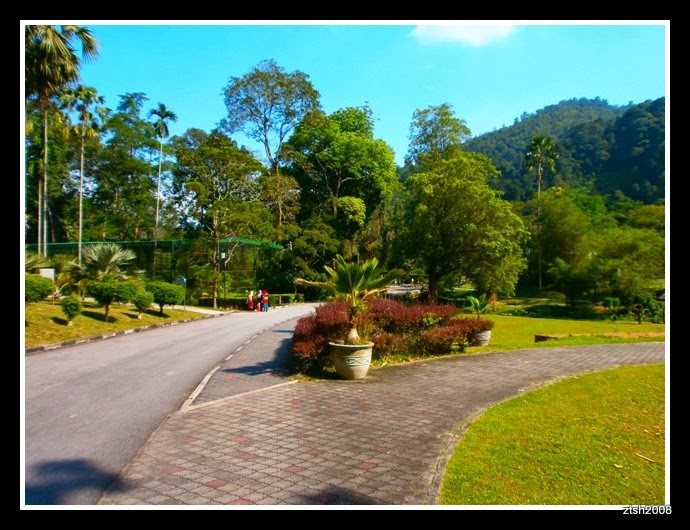
The gardens occupy a 29 ha. site[1] in a valley described as "an amphitheatre of hills"[9] covered with lush tropical rain-forests. Its lush greenery and tranquil setting makes it a favourite park and a popular tourist destination. It is Penang's unique natural heritage, being the only garden of its kind in Malaysia. As well as being a repository of flora and fauna, unique to the country and to the region, it serves as a "green lung" for metropolitan Penang.[11] As such, the garden is a popular recreational spot; some of the recreational activities include jogging, walking, jungle trekking and aerobics.[1][10]

Sunday, October 6, 2013

LIFE : PENANG BOTANIC GARDEN 2


The Penang Botanic Gardens Department aims to provide visitors with programmes that focus on the historical and cultural heritage of the gardens, the plant collections, natural landscape and rich diversity of flora and fauna. It also aims to provide professional advice related to botany, taxonomy, horticulture and landscaping.[4]

LIFE : PENANG BOTANIC GARDEN 1

The Penang Botanic Gardens, more popularly known as the "Waterfall Gardens", was established by the British way back in 1884 from an old quarry site. The beautiful grounds and the tranquility of the gardens have long been enjoyed and admired by millions of visitors. Besides being the arboretum living plants specimens, it is also the seat of botanical conservation, education and training. The Gardens also play an important role in the field of horticulture and landscaping development.